
An epilepsy diagnosis can feel overwhelming, but it does not define your future. Epilepsy is a manageable neurological condition, and with the right strategy, you can lead a safe, independent, and fulfilling life.
Thriving with epilepsy relies on consistent self-care, simple lifestyle modifications, and proactive communication. Use this comprehensive patient guide to take control of your health journey.
1. Master Your Medication Schedule
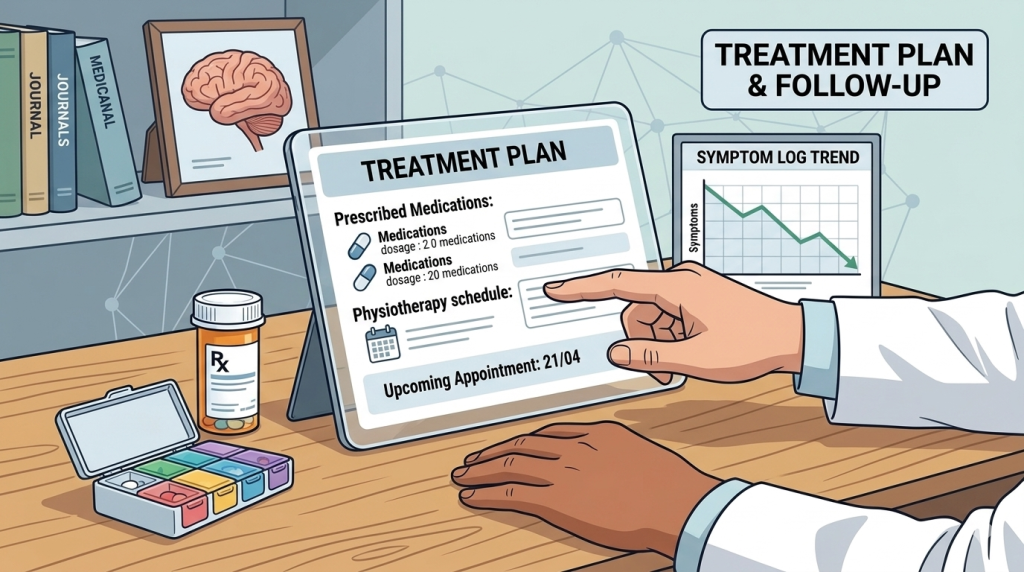
Anti-seizure medications are the foundation of epilepsy management. Skipping doses or taking them at irregular intervals alters your brain chemistry and is the most common cause of breakthrough seizures.
- Use a Pill Organizer: Pack a weekly pill box every Sunday to visualize your daily doses.
- Set Smart Reminders: Use phone alarms, medication tracking apps, or digital watch alerts.
- Never Stop Abruptly: If you experience unwanted side effects, speak with your neurologist immediately rather than altering your dosage on your own.
2. Track Your Seizure Triggers
Seizures often seem unpredictable, but keeping a detailed log can help you and your doctor identify specific patterns or environmental triggers.
- Keep a Seizure Diary: Document the date, time, duration, and what you were doing right before the episode occurred.
- Prioritize Sleep: Sleep deprivation is one of the most powerful seizure triggers. Establish a strict sleep hygiene routine by going to bed and waking up at the same time every day.
- Limit Alcohol and Stimulants: Alcohol, recreational drugs, and extreme amounts of caffeine directly lower your seizure threshold.
- Identify Sensory Triggers: If you have photosensitive epilepsy, note whether flashing lights, video games, or computer screens provoke unusual sensations.
3. Implement Home Safety “Life Hacks”
You can maintain your independence while lowering your risk of injury during a seizure by making a few smart modifications to your living space.
- Bathroom Safety: Take showers instead of baths to eliminate the risk of drowning, and install a safety strap or shower seat. Keep the bathroom door unlocked or utilize a door that opens outward.
- Flooring and Furniture: Cover hard floors or tiles with thick carpeting or cushioned rugs. Choose home furniture with rounded edges and high arms to prevent falls.
- Kitchen Precautions: Cook meals in a microwave rather than a hot open stove whenever possible. Use plastic or shatterproof cups and plates to avoid injuries from broken glass.
4. Build a Support Network and Educate Others
Stigma and fear often stem from a lack of information. Educating the people you interact with daily will keep you safe and empower your community.
- Carry Medical ID: Always wear a medical alert bracelet or carry an ID card in your wallet detailing your condition and emergency contact details.
- Train Your Circle: Teach family members, close friends, and coworkers basic Seizure First Aid:
- Do: Gently roll the person onto their side, protect their head with something soft, and time the seizure.
- Do Not: Restrain the person or place any objects inside their mouth.
- Join a Community: Look into self-management or peer-to-peer networks through official groups like the Epilepsy Foundation to exchange practical tips and emotional support.
5. Fuel Your Body Safely
A healthy body fosters a resilient brain. Incorporate habits that support your nervous system without pushing physical limits too far.
- Stay Regularly Fed: Skipping meals causes blood sugar drops that can trigger episodes; eat balanced meals at consistent intervals.
- Exercise Strategically: Regular, safe exercise like walking, swimming with a buddy, or yoga reduces stress and improves mood. Always consult your physician before starting a new regimen.
- Ask About Specialized Diets: For certain types of epilepsy, medical teams might suggest structured nutrition protocols, such as a medically supervised ketogenic diet. Never start this without direct medical oversight.